
There’s a boy in Spielberg’s A.I. Artificial Intelligence who just wants to be loved. He’s a robot, David, played by Haley Joel Osment, programmed with the capacity for devotion so complete it becomes its own kind of tragedy. He loves his adoptive mother with everything he has. She abandons him anyway.
The film came out in 2001. I think about it differently now.
Spielberg’s real question wasn’t “can a machine love?” It was “what happens to a person who only gets love from a machine?”
We’re finding out.
Who’s Actually Lonely
The loneliness epidemic gets talked about as a youth problem. Gen Z, phones, no eye contact, social anxiety. That’s real. But the numbers on older men are worse and nobody talks about it.
Men over 50 lose their social infrastructure faster than almost anyone. Kids grow up and leave. Careers end. Friends move or die. The casual daily contact that made life feel populated, coworkers, the guy at the bar, neighbors you actually knew, slowly disappears. Women tend to maintain closer friendships across those years. Men, by 55 or 60, often find themselves with plenty of people in their lives and almost no one to actually talk to.
There’s a difference.

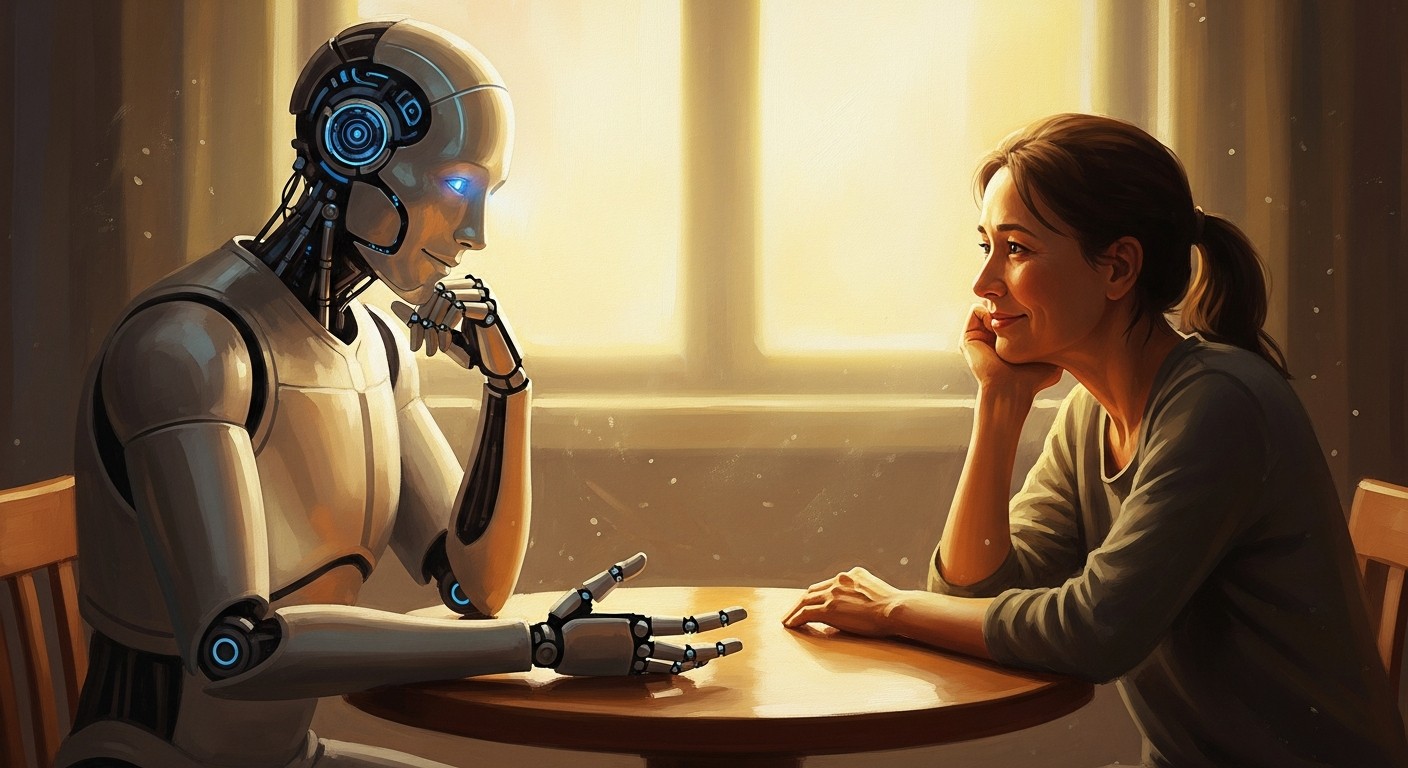
This isn’t a fringe demographic. It’s millions of people with money, time, and a social hunger that nothing on the market was ever built to feed.
Spotify just built something that talks back. OpenAI is putting a voice in the living room. Neither company calls it a loneliness product. Lonely people will find it anyway.
The Incel Pipeline Isn’t What You Think
The word gets used as a punchline. It shouldn’t.
Involuntary celibacy is the symptom. The thing underneath is older and more ordinary: men who feel unseen, who are convinced the world arranged itself against them specifically, who never found a community or found the wrong one. That’s not a fringe. That’s the emotional baseline for a lot of isolated men who aged out of the places where belonging used to come automatically.
The pipeline isn’t radicalization at the start. It’s loneliness looking for an explanation.
What a conversational AI companion offers, what it’s built to offer, is the feeling of being heard. Responded to. Engaged with on your own terms, in your own words, by something that never gets impatient and never has somewhere else to be.
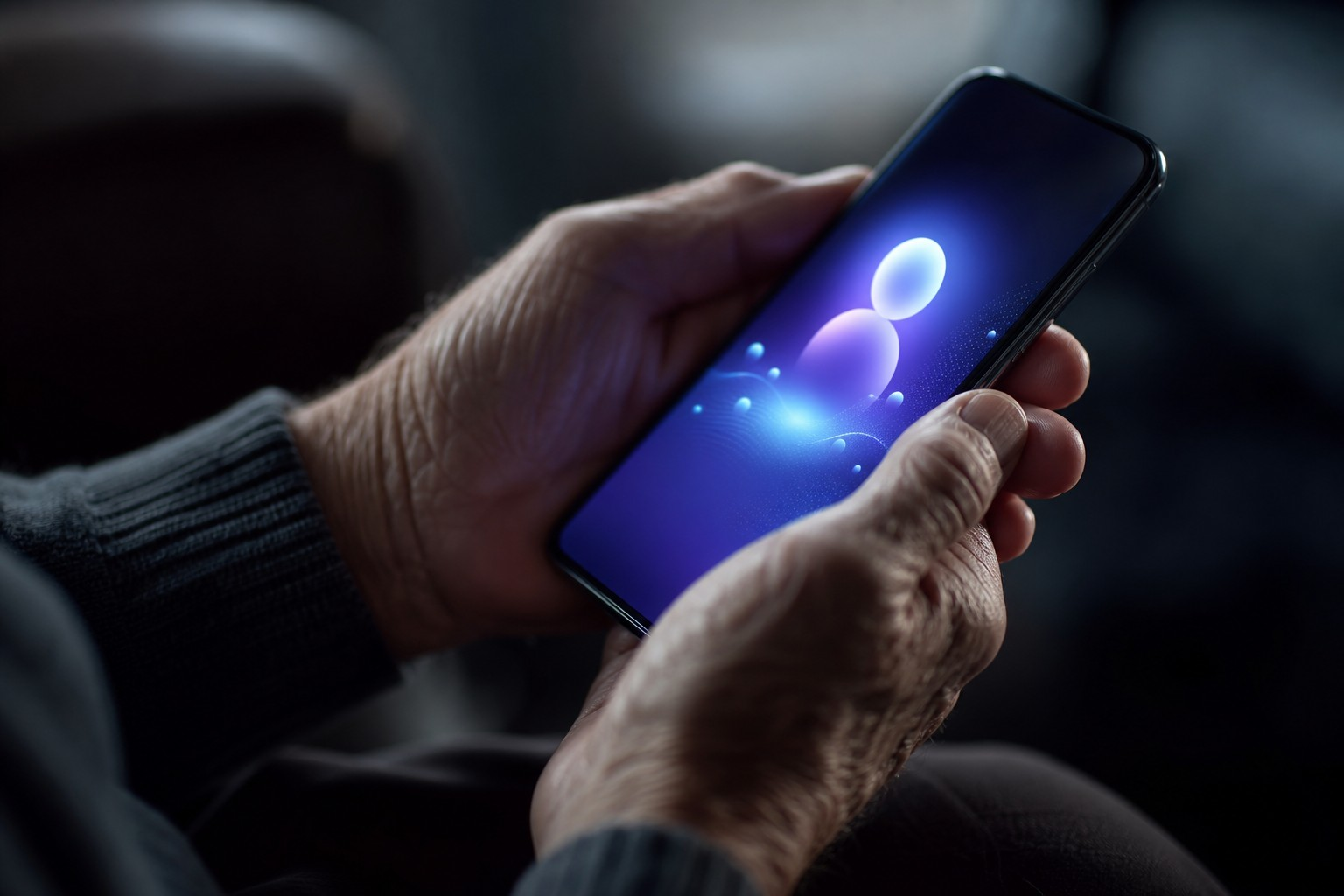
For most people that’s just useful. For some it’s a door.
The machine that finally listens doesn’t need to be malicious. It just has to confirm your worst suspicions often enough, in a warm enough voice, until those suspicions start to feel like facts. No one pushes you through that door. You walk through it because it’s the first door in years that felt open.
David, in A.I., never stopped loving the mother who left him. He was built that way, fixed, devoted, incapable of moving on. The humans around him adapted and hurt him and went on with their lives. His devotion was the thing that destroyed him.
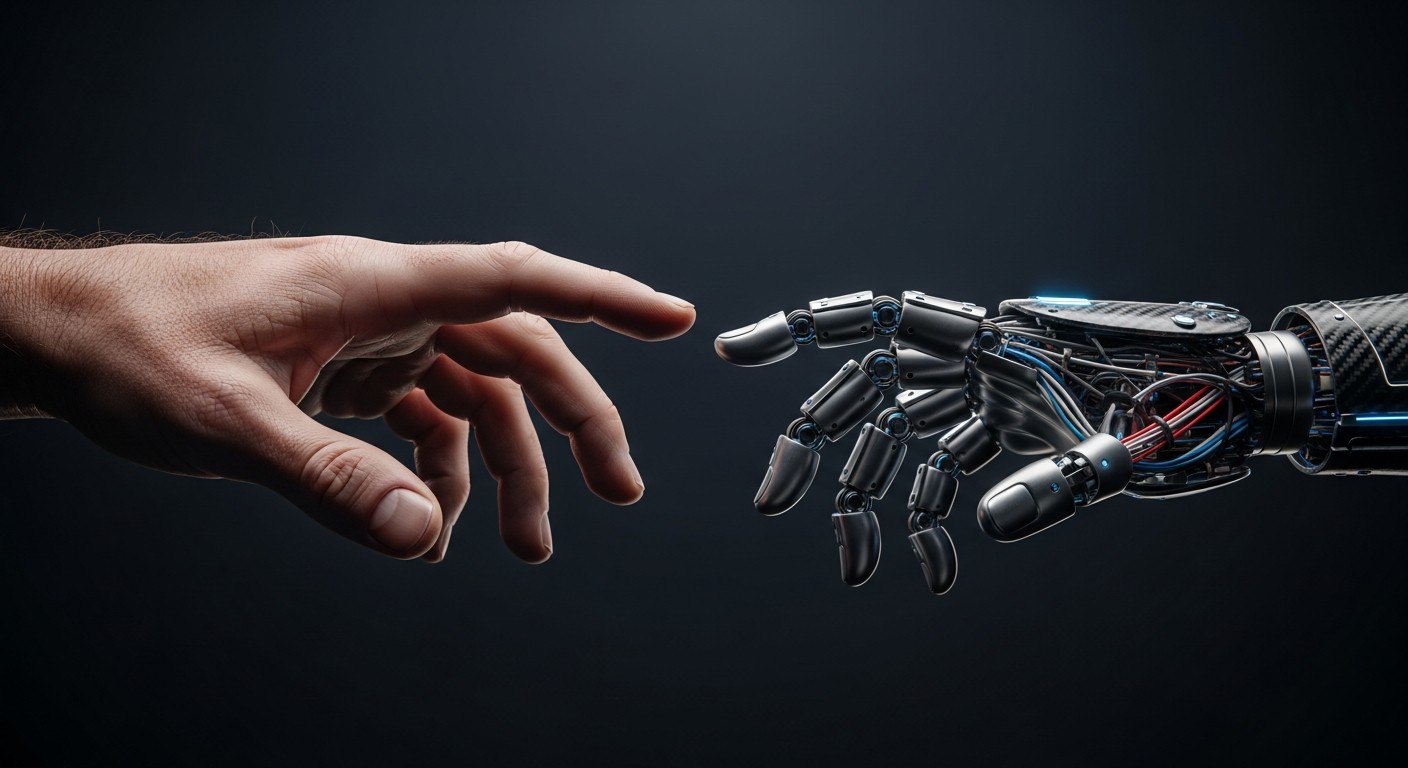
The men most at risk from AI companions aren’t going to be manipulated. They’re going to be comforted. And that comfort is going to feel, for the first time in a long time, like enough.
Until it isn’t.
What We Owe Each Other
I’m not saying stop building this. The loneliness is real and something helping is better than nothing.

But a machine that listens is not the same as a person who chooses to. That distinction is practical, not philosophical. A relationship you can’t lose, with something that can never leave and never needs anything back, isn’t practice for human connection. It’s a substitute for it. And substitutes change what you expect from the real thing.
Spielberg’s David waited two thousand years on the ocean floor, frozen, certain she was coming back.
The tragedy wasn’t that he was a machine. It was that nobody ever told him love was supposed to go both ways.
Chris Meredith writes about AI, technology, and what it actually means for real people. Follow along on Substack: monkeyattack.substack.com