Something quietly historic happened this morning, and I almost scrolled past it.
OpenAI launched GPT-5.6 today. Three models, actually: Sol, Terra, and Luna. New naming scheme, new pricing tiers, the usual benchmark charts. If you stopped reading there, it would look like every other model launch of the past three years. Ship it on a Tuesday, flood the timeline, argue about benchmarks until the next lab leapfrogs you.
Except this launch did not work like that. For the past 12 days, GPT-5.6 existed in a strange in-between state: finished, announced, and locked behind a list of roughly 20 organizations vetted with the U.S. government. Not beta testers. Not enterprise design partners. Government-vetted preview partners, with the participation list shared with Washington.
I have been writing about AI releases for a while now, and I keep a mental list of “firsts” that seemed small at the time and turned out to be hinges. This one goes on the list. A frontier lab built its best model, and then, before the public could touch it, the model sat in an anteroom while the Commerce Department ran additional tests and OpenAI flew engineers to DC to answer questions.
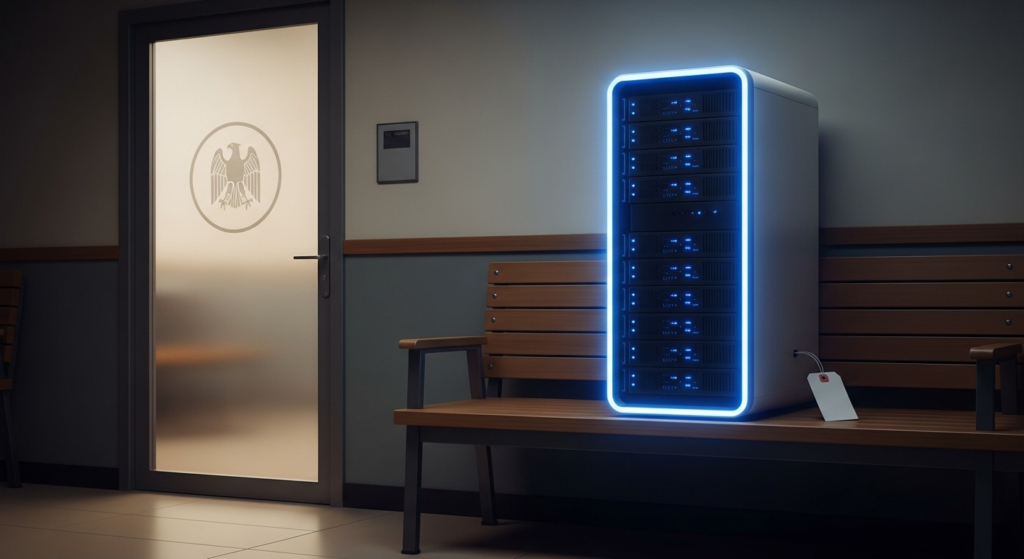
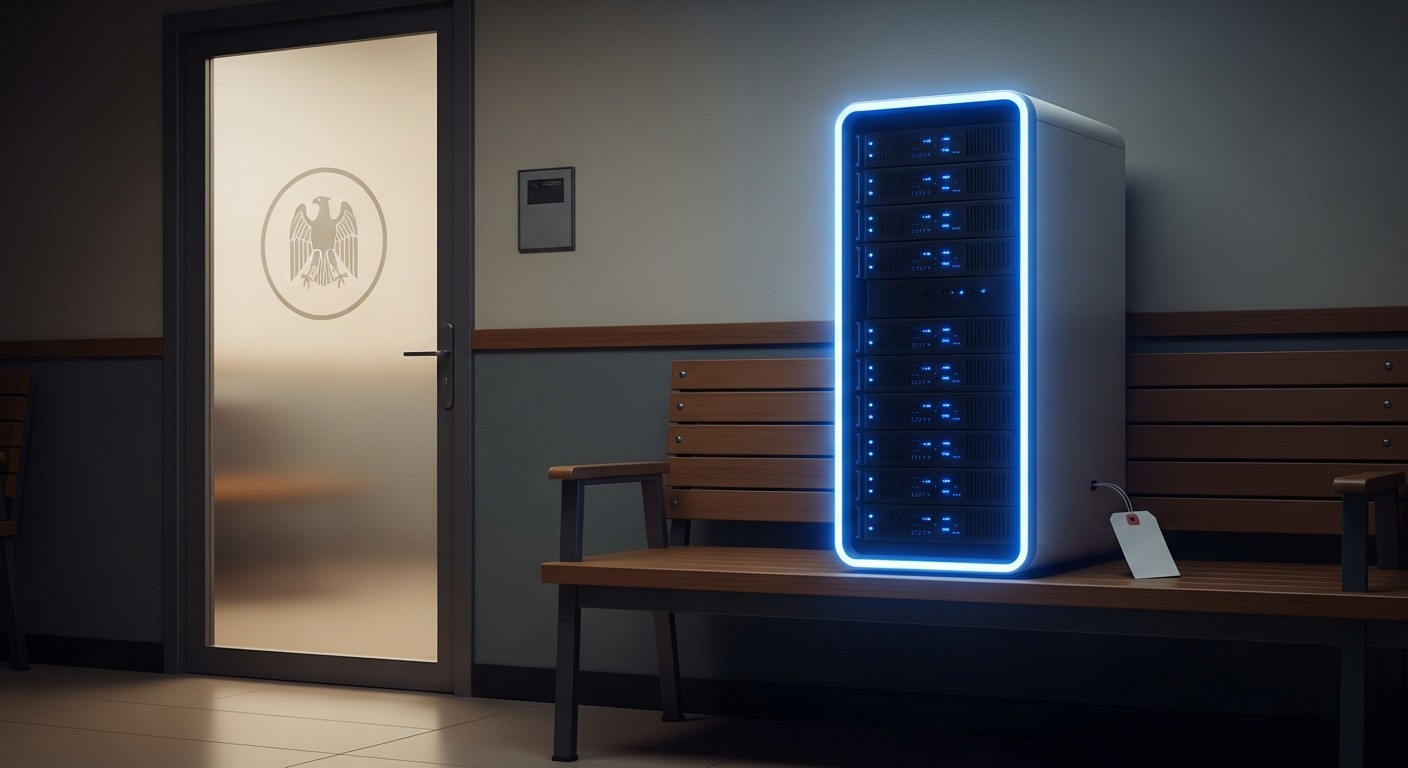
Software used to ship. This one had to clear customs first.
What actually happened
Here is the sequence, stripped of everyone’s preferred spin.
In late June, OpenAI announced the GPT-5.6 family but restricted access to a small group of trusted partners. The company said this happened “at the government’s request.” The Commerce Department’s Center for AI Standards and Innovation, CAISI, conducted additional testing during the preview window. OpenAI sent technical experts to Washington for direct engagement with government officials.
Today, July 9, the models went public across ChatGPT, the API, and Codex.
Why the caution? The stated reason is cybersecurity. All three models crossed OpenAI’s own “High” cyber capability threshold on internal capture-the-flag testing. Sol scored 96.7 percent, Terra 91.84, and even Luna, the smallest of the three, hit 85.19. Capture-the-flag challenges are hacking puzzles, the kind security researchers use to train. A model that solves nearly all of them is a model that can plausibly help someone break into things. That capability is no longer theoretical. It is printed on the system card, with a percentage next to it.

So for the first time, a frontier model’s public availability was, in practice, sequenced around a federal review.
The part where everyone denies it
Now for my favorite detail, the one that tells you this is a genuinely new situation nobody has a script for.
After reporting framed the launch as the government giving OpenAI a “green light,” a White House spokesperson pushed back hard: “The Trump administration did NOT give OpenAI a ‘green light,’ approval, or clearance to release its models. No such permission is required or granted.”
OpenAI, for its part, said: “We don’t believe this kind of government access process should become the long-term default,” while adding that it complied because that was the fastest path toward broader availability.
Read those two statements again. The government insists it did not approve anything. The company insists the process it just completed should not become normal. And yet the model waited 12 days, the tests happened, the engineers flew to DC, and the public launch landed only after all of it concluded.
Two parties, one event, and neither wants their name on it. That is usually the sign of a precedent being set that nobody wants to own.
I do not think either statement is a lie, exactly. There is no law requiring pre-release review of AI models. The framework is voluntary. Nobody stamped a certificate. A skeptic can even read OpenAI’s “fastest path” line as a plain business-timeline call, cooperation as the cheapest route to launch, no arm-twisting required. Maybe. But “voluntary” is still doing heroic work in that sentence. OpenAI sells to federal agencies, and the chips it trains on move through export rules the administration writes. When the entity making the request also controls that much of your business weather, the distinction between “asked” and “required” gets philosophical fast.
Munitions, but make it software

The comparison that keeps rattling around my head is export controls.
The United States has a long history of treating certain technologies as too sensitive for uncontrolled release: encryption in the 1990s, satellite imagery, advanced semiconductors today. The pattern is always the same. First, the technology is niche and nobody cares. Then it crosses a capability line, and suddenly there are lists, reviews, trusted partners, and compliance staff.
In the 1990s, the U.S. government literally classified strong encryption as a munition. Phil Zimmermann, who wrote PGP, spent three years under criminal investigation for publishing encryption code. The rules eventually relaxed, but the underlying logic never went away: some math is dangerous enough to regulate like hardware. The difference is that the encryption fight at least happened in the open, with statutes to challenge and courtrooms to challenge them in.
Frontier AI just crossed a similar line, not through legislation but through choreography. No new law passed. Congress did not vote. Instead, a lab and an administration worked out a dance where the lab volunteers, the government tests, and the launch happens when everyone is comfortable. One tech outlet called this a test of the “voluntary AI framework,” which is accurate and also the part that should keep you up at night, because voluntary frameworks are how you prototype mandatory ones.
If you want to know what AI regulation in America actually looks like in 2026, ignore the bills that die in committee. Look at this launch. This is the regulation. It runs on phone calls and preview lists.
Meanwhile, the traffic went east
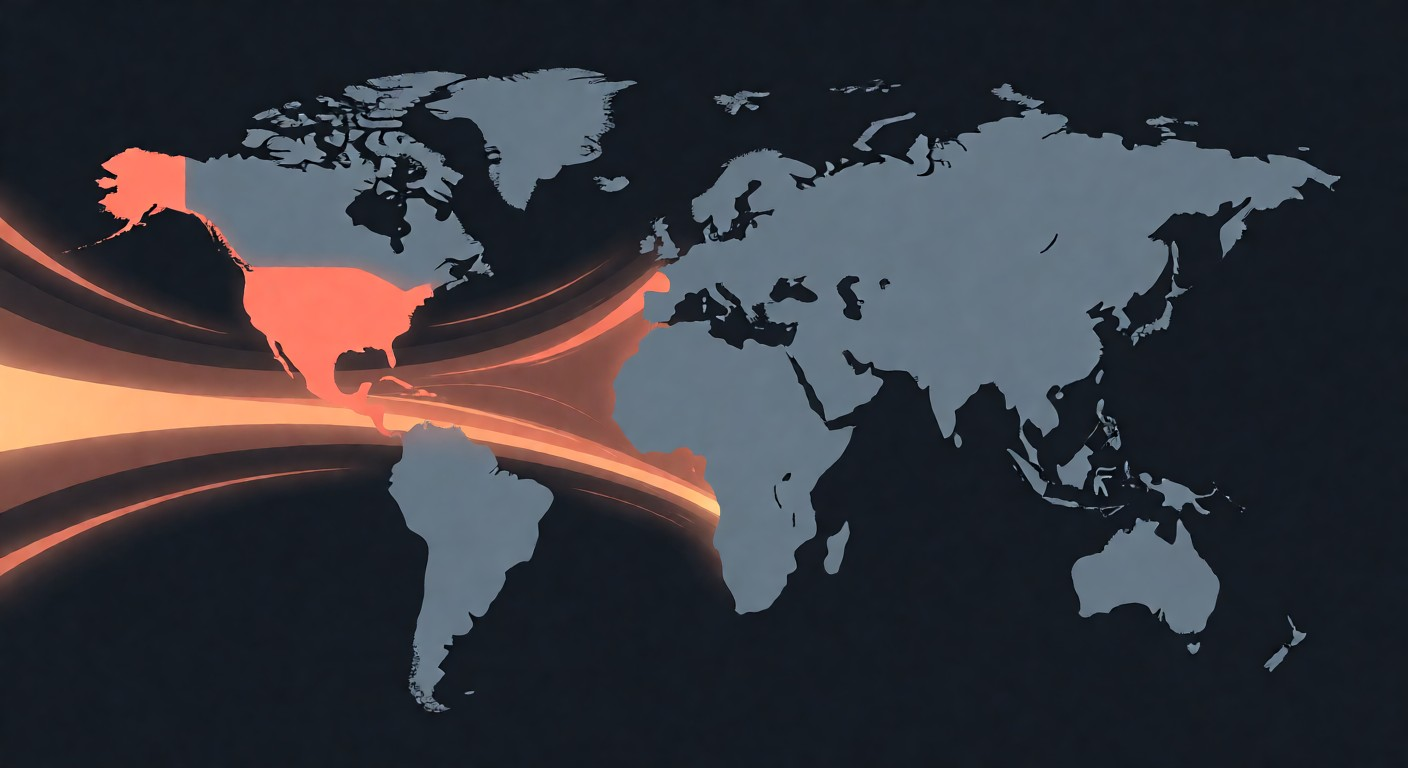
Here is the number that should be sitting next to every story about this launch: on OpenRouter, the big model-routing marketplace, Chinese-origin models passed 45 percent of all traffic by volume this spring. Xiaomi, a company Americans mostly know for phones, has run north of 20 percent by some weekly counts with its MiMo models, ahead of OpenAI’s own share on that platform. A year ago, American models held roughly 70 percent of that marketplace, per a Bloomberg analysis of OpenRouter data. The race flipped while everyone was watching demo videos.
Most of those Chinese models are open-weight, meaning anyone can download and run them, no API key, no preview list, no anteroom. The latest jolt came in June, when Beijing-based Z.ai released GLM-5.2 as a free download.
The new GPT-5.6 pricing tells you OpenAI can feel this. The headline move is not the flagship; it is Terra, the middle tier, which promises roughly the performance of its predecessor at half the price. That is what a company does when it watches developers migrate to cheaper models with shocking speed.
So here is the squeeze OpenAI is navigating: on one side, a government that wants pre-release visibility into the most capable models. On the other, open-weight competitors who ship globally and instantly. The 12-day gate cost OpenAI 12 days. GLM-5.2 and its cousins do not wait 12 minutes.
I do not say that to argue the review was wrong. A model that solves 96.7 percent of hacking challenges is worth a careful look; I would genuinely like someone checking that math before it lands in every browser tab. But the asymmetry is the story. Safety processes bind the labs that participate in them, and only those labs.
What I think this means
Three predictions. My track record on AI predictions is roughly a coin flip, so price these accordingly.
First, the anteroom becomes standard for frontier releases. Not law, not formally, just the way things are done, the same way “responsible disclosure” became the norm in security without anyone legislating it. The next frontier launch from any major U.S. lab will quietly include a federal engagement phase, and the one after that will not even be news.
Second, the definition of “frontier” becomes the real battleground. Reviews only bind models above some capability line. Labs will have every incentive to ship models that sit just under whatever threshold triggers the dance. Expect a genre of model that is suspiciously, precisely capable enough to matter and not capable enough to review.

Third, the open-weight world becomes the pressure valve. Every week of gate time on American flagships is a week of migration to models that never see an anteroom. If you think capability reviews are important, that should worry you more than anything OpenAI did this month, because the models drawing the most new traffic in 2026 are the ones no framework touches.
This morning a chatbot company waited for permission it insists it did not need, from a government that insists it did not give it, and the result is the most consequential AI policy event of the year. No vote. No statute. The precedent got set on a conference call.
That is the process now. It just does not have a name yet.
If you enjoyed this, I write about AI, robotics, and the strange places they take us a couple of times a week. Follow along and argue with me in the comments; I read all of them.
Related reading
- The Agent That Does the Work Cannot Be the One That Signs Off
- Claude Fable 5 Didn’t Come Back. It Was Released From Custody.
- Big Tech Is Funding Its Own Competitors. Here’s Why That’s a Problem.
Chris Meredith writes about AI, technology, and what it actually means for real people. Follow along on Substack: monkeyattack.substack.com