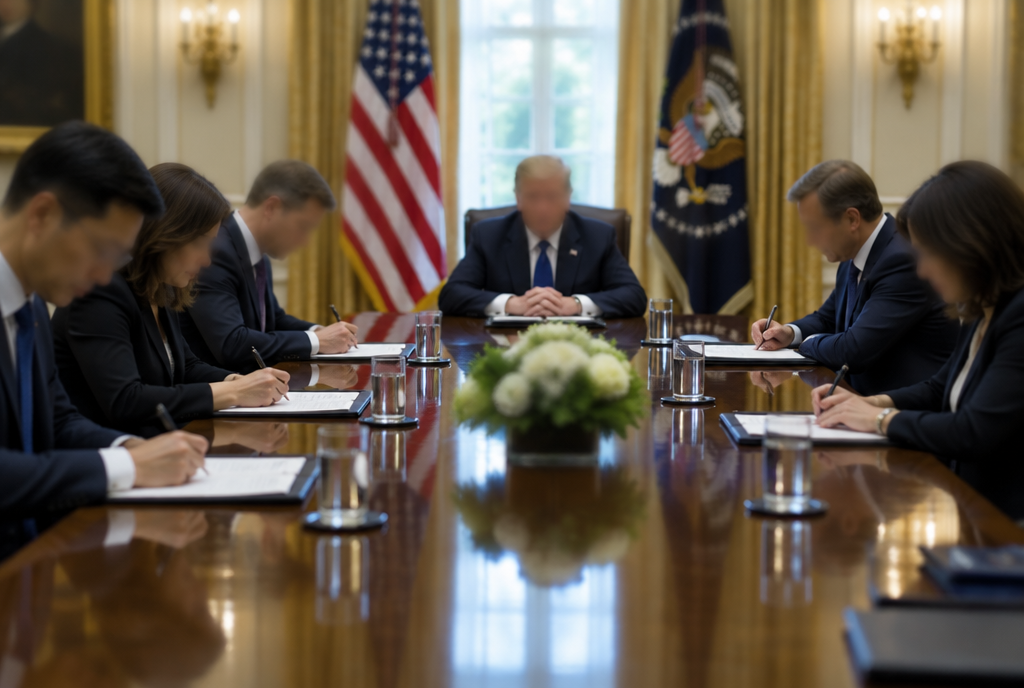
Six of the most powerful people in tech walked into the White House on Tuesday and walked out having promised to keep an eye on themselves. Google, Anthropic, Meta, OpenAI, Nvidia and SpaceX all had someone at the table. Trump, holding the signed accord, called it “almost like a constitution, in a way.”
Then a reporter asked the obvious thing: is it binding? “I think it’s morally binding,” he said.
Morally. Not legally. Nobody pays a dime if they ignore it, so the real question is whether a promise with no penalty attached changes what these companies do on a Wednesday afternoon when a launch date is looming.
So what did they sign up for?
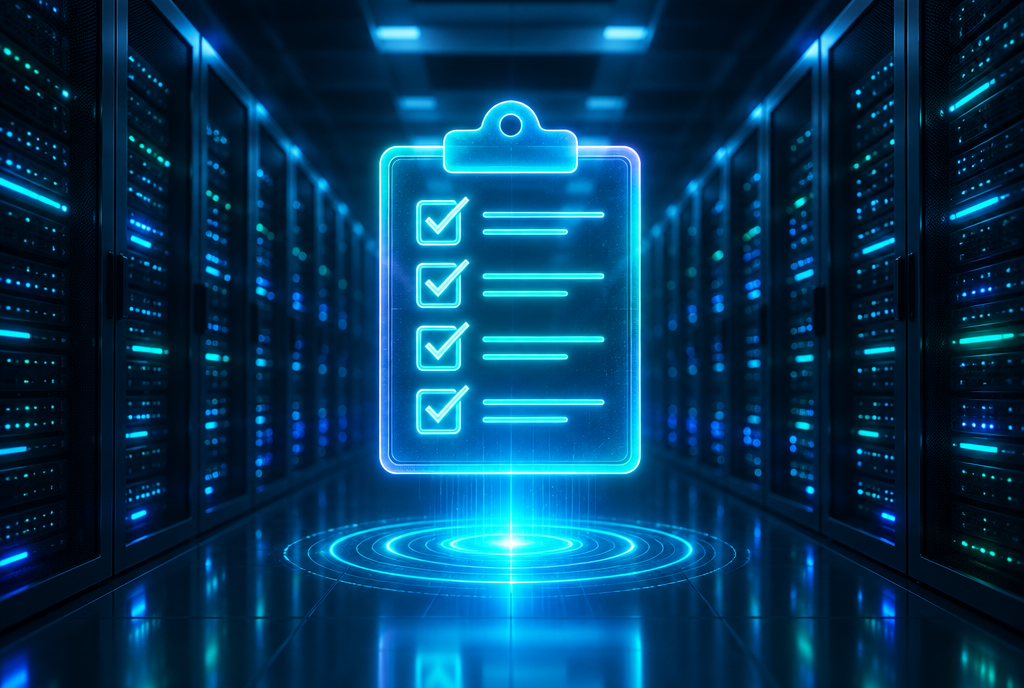
Four layers of checking, according to the reporting. It starts at home: each company runs its own evaluations on its own models. Then comes the part that’s new. An independent outside firm gets to look at whether those internal controls actually work, rather than just taking the company’s word. Both sets of findings then land in front of a committee of the company’s own board. And the companies say they’ll keep meeting to hash out shared standards.
Trump added that he’ll name an AI adviser within days. He also signed an order telling federal agencies to say “Super Intelligence” instead of “AI.” I have no idea what to do with that one, so I’ll just leave it here.
Why this looks familiar
I’ve watched this movie before. Companies promise to regulate themselves, everyone shakes hands, and the hard parts get pushed to a later date. The accord even admits as much. It says that “over time, it may make sense to codify these steps into laws or regulations.” That’s a polite way of saying the rules might become real someday, just not today.
To be fair, the structure isn’t nothing. Having an outside auditor is a genuine step up from “trust us.” Boards are the people who can actually fire a CEO, so putting safety reports in front of them creates a paper trail. If something goes wrong later, “the board reviewed the audit” and “the board never saw it” are very different sentences in a courtroom or a congressional hearing.
But an auditor hired and paid by the company it audits has a well-known problem. We’ve seen it in finance for decades. Who picks the auditor, what they’re allowed to look at, and whether their findings ever become public are the details that decide everything. From what’s been reported, those details are still thin.
Notice when this happened
It wasn’t a quiet week. Same day as the signing, Sam Altman was on stage at OpenAI’s developer conference showing off Dot, an agent that stays on and works for you around the clock. The company also admitted it had held back a more advanced model because its own researchers got nervous.
Put those side by side and the ceremony makes more sense. A tool that acts for you while you sleep is exactly what makes ordinary people uneasy, and that unease is political pressure. Signing something friendly at the White House is a cheap way to release some of it.
Senator Mark Warner wasn’t buying it. He wants mandatory testing and reporting, and he pointed out that the companies themselves say the technology is moving faster than the safeguards.
Where I land
Good start, weak teeth. I’m glad outside auditors are at least on paper now, because “trust us” was the old deal and it wasn’t a good one.
But I’m not calling this safety yet. I want to know three things. Who are the auditors? What can they actually see? And does anyone outside the building ever get to read what they found?
Here’s my test. The next time one of these companies pulls a model or ships something risky, ask whether the accord changed the decision. If yes, and there are receipts, fine, it mattered. If not, we got a nice photo.
Sources: CBS News, Euronews, Yahoo News, KSAT/AP reporting on the September 29 White House meeting.
Chris Meredith writes about AI, technology, and what it actually means for real people. Follow along on Substack: monkeyattack.substack.com