In November 2025, a 19-year-old University of Florida student named Maddie Kowalski had an intimate video, recorded without her consent, posted to X. Within 24 hours, her name was trending nationally. Content about her had been viewed more than 8.5 million times. Her personal information, her family’s details, her life, all of it broadcast by accounts with no names attached to them.
The campaigns that hit Kowalski, according to a Wired investigation, were the work of the burnerverse.
What Is the Burnerverse
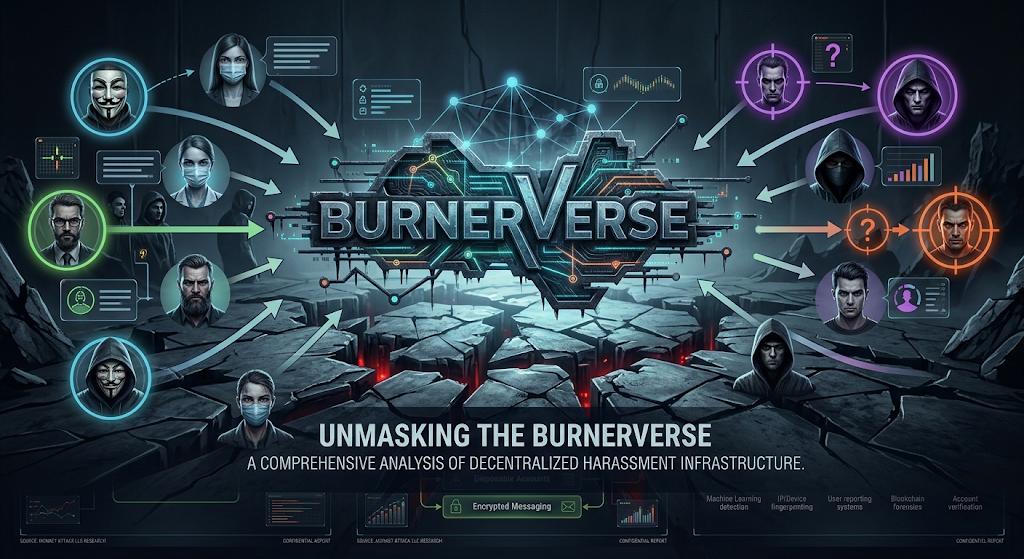
The burnerverse, also called the “beev,” the “BV,” or sometimes just the network, is a loosely connected ecosystem of anonymous “burner” accounts on X, operated mostly by college students and alumni. On the surface, it looks like any other corner of sports Twitter: SEC gossip, fraternity drama, rankings of which schools are “fun,” takes on college football.
It has its own vocabulary. Accounts “lank,” “expand,” or “shrink”, internal language that functions as a membership signal. It has a defined hierarchy: top accounts with tens of thousands of followers at the apex, participant accounts that amplify in the middle, and at the entry point, spotters, people who trade private information about women in exchange for clout inside the network. Some spotters are women themselves: sorority sisters, acquaintances, sometimes friends.
The name borrows the language of the Marvel multiverse, a “burner universe,” a shadow layer of campus life that operates just below the surface of the real one.
The Infrastructure Behind the Campaigns
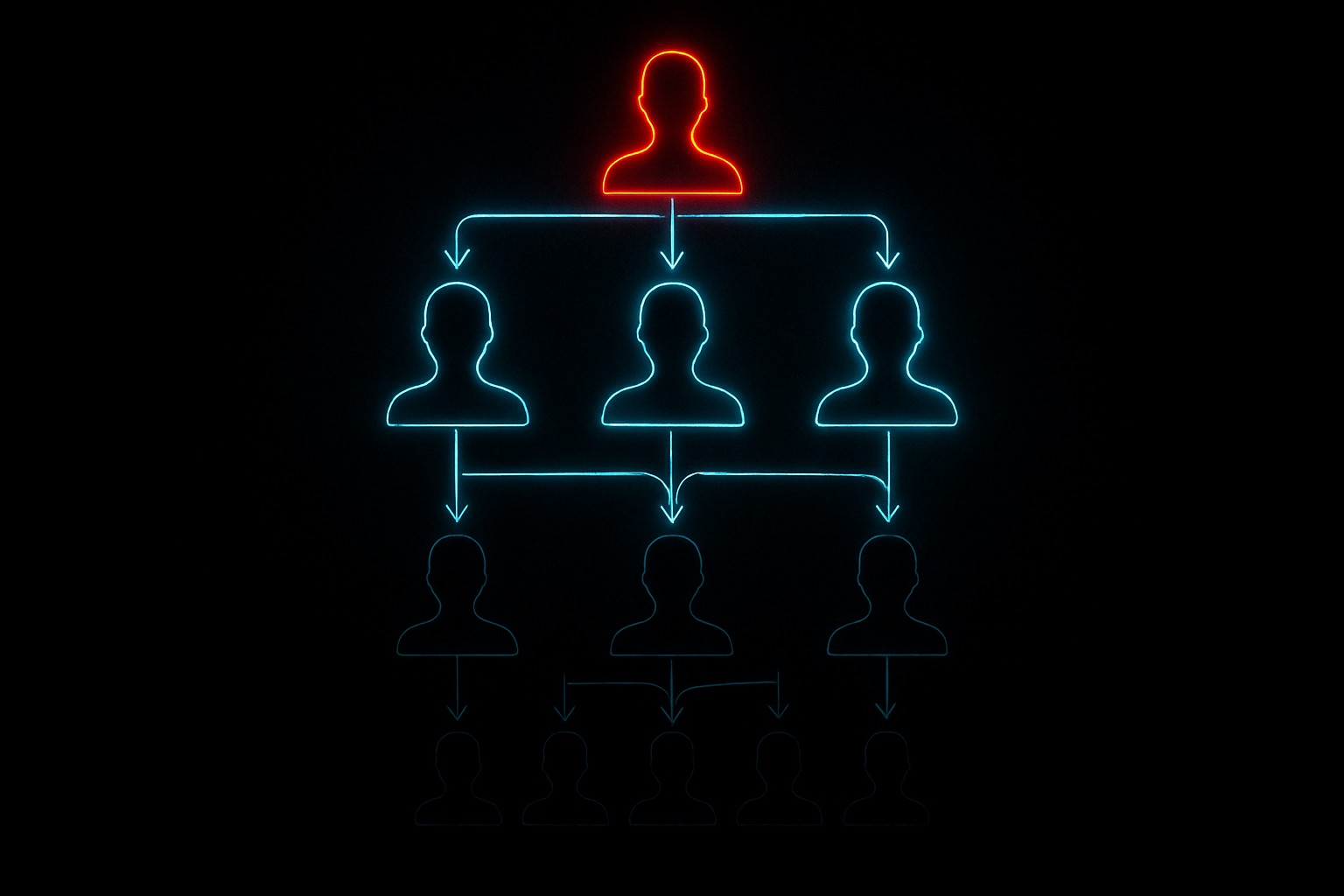
The burnerverse’s harassment campaigns don’t happen spontaneously. They follow a pattern:
- Intelligence gathering. Spotters share private photos, locations, relationship details, or compromising information about a target, usually a young woman, usually between 18 and 21.
- Doxing. The target’s name, school, and social profiles are located and broadcast across the network.
- Amplification. Accounts pile on. Comments fill with degradation. Brothers tag brothers. The content spreads outside the network as the algorithm picks it up.
- X Spaces. Live audio rooms open, sometimes at 4am, where people gather to discuss the victim, her body, her suffering. Participants joke about whether she might harm herself.
Wired identified at least 10 women targeted by the burnerverse, most between 18 and 21. The Kowalski case drew the widest coverage, but University of Mississippi student Mary Kate Cornett was doxed the same way nine months earlier. A “Kansas Bar Girl” case emerged as recently as March 2026.
Why X Enables This
Anonymous accounts are not unique to X. But X’s current policy environment is unusually hospitable to this kind of network.
X prohibits non-consensual intimate imagery, but enforcement is reactive, not preventive. By the time a report gets processed, a piece of content has already been viewed millions of times and clipped, screenshotted, and re-shared across platforms that don’t have even that prohibition.
The network’s anonymity is structural by design. Burner accounts have no verified identity, no reputational stake, no face attached to the handle. The top accounts have thousands of followers and years of posting history, enough social capital to drive a trending topic, but no accountability surface. When law enforcement investigates, they are working against a deliberate architecture of untraceability.
In the Kowalski case, Gainesville police charged three men, Kamran Ahmed, Brendan Pitfield, and Jacob Gomberg, with sexual cyberharassment. Many of the anonymous accounts that amplified the campaign remain publicly unidentified.
This Isn’t a Bug
The burnerverse’s defenders frame it as sports culture, edgy, sure, but basically harmless talk among fans who need somewhere to say what they can’t say with their names attached.
That framing doesn’t hold up.
A community organized around anonymous participation, with explicit internal hierarchy, defined recruitment signals, and a documented pattern of coordinating targeted harassment campaigns against young women is not a sports forum with a dark side. The sports talk is the cover. The anonymity infrastructure is the product.
The women targeted aren’t collateral damage from rowdy internet culture. They’re the point. The harassment, the doxing, the Spaces at 4am, that’s what the network is for, at least for a significant portion of its activity. The SEC football takes are the thing that keeps enough accounts looking normal to stay on the platform.
What Comes Next
Charging three individuals doesn’t dismantle a network. Neither does a Wired story, however good. The burnerverse will absorb the attention, adjust its surface behavior, and continue.
The harder question is structural: what does it take to make coordinated anonymous harassment expensive enough that the infrastructure stops being worth maintaining? That’s a platform policy question, a legal question, and a cultural question. Right now, the answer to all three is the same: not enough.
Kowalski withdrew from university, went home, and is being treated for PTSD. The accounts that coordinated her targeting are still out there, with no names attached.
That’s the burnerverse. Not a sports forum. A system.
Sources: Wired / IBTimes / Heninger Garrison Davis / State News
Chris Meredith writes about AI, technology, and what it actually means for real people. Follow along on Substack: monkeyattack.substack.com