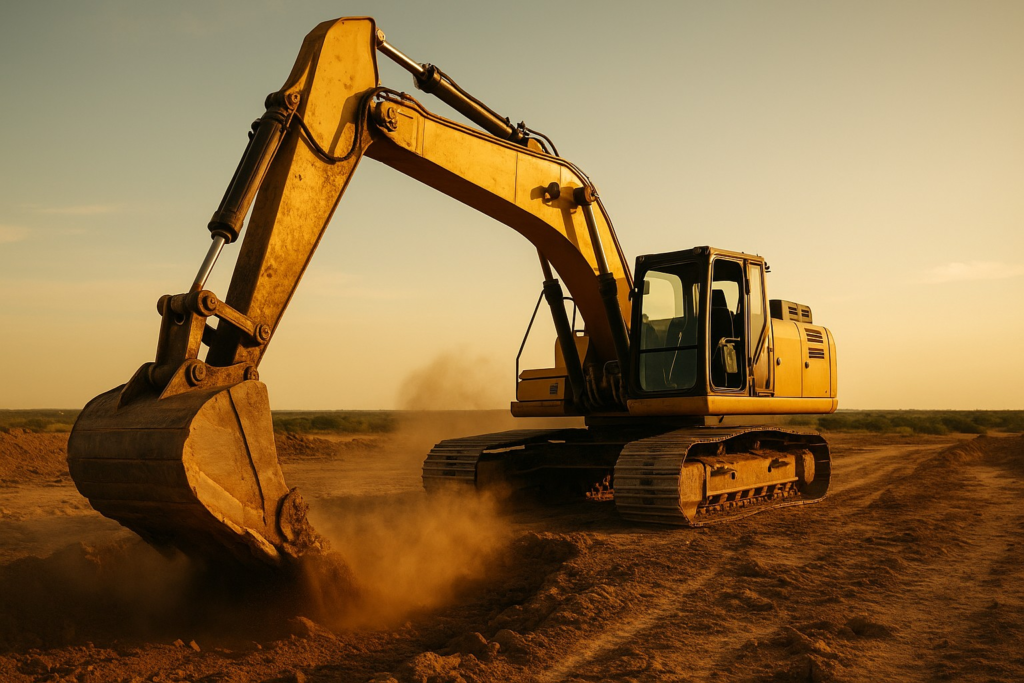
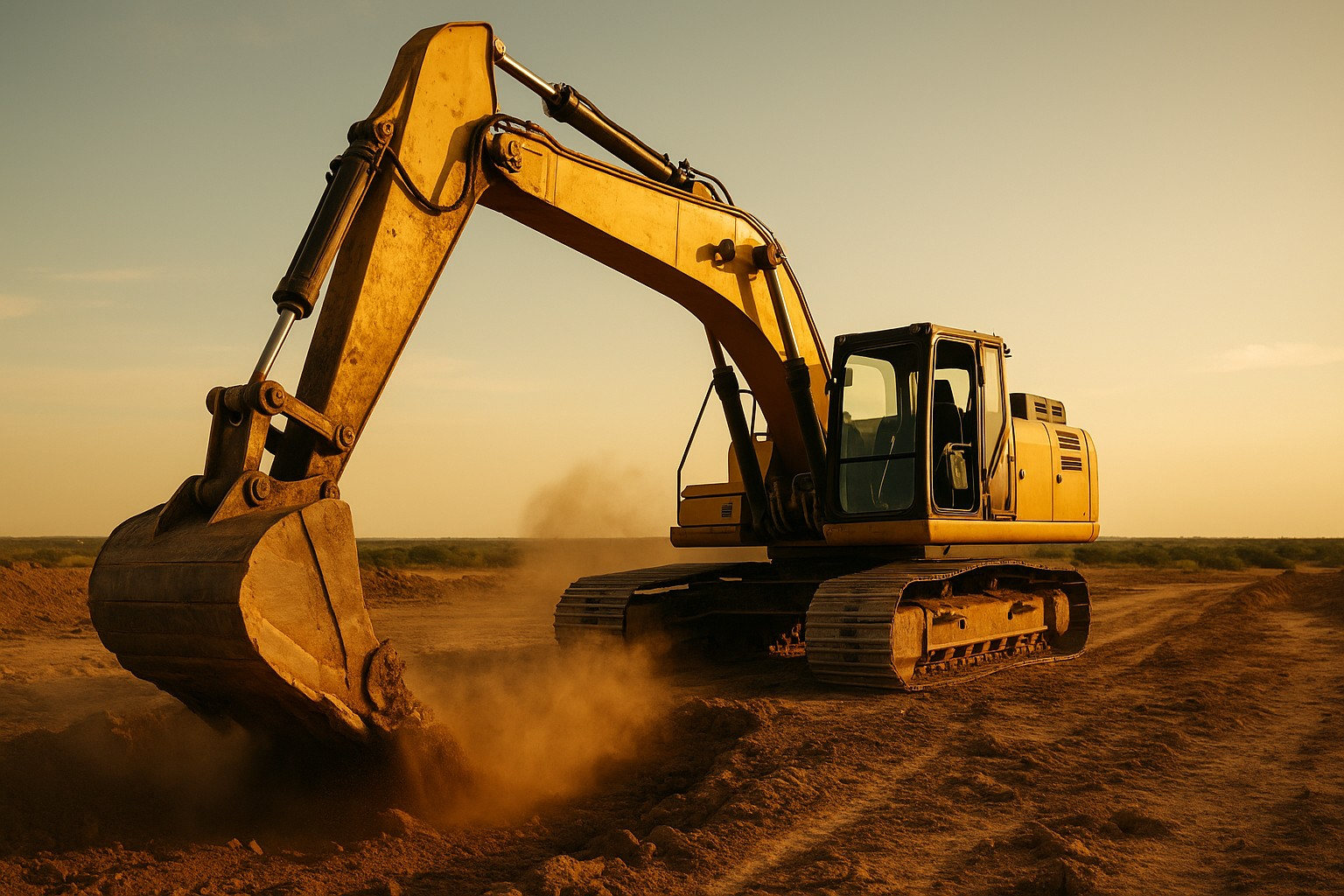
There’s a construction site in Texas right now where a 90,000-pound excavator is moving earth with nobody in the cab. No remote operator. Nothing watching from a trailer. Just sensors and software and a pile of dirt that needs to be somewhere else.
Not a demo. A live infrastructure job.
A San Francisco startup called Bedrock Robotics just announced its first fully autonomous excavator deployments on real U.S. job sites. Active projects include a water treatment facility in Nevada with Sundt Construction and a multi-million cubic yard earthwork site in Texas, with a third large civil project underway with Zachry Construction. Founded in 2024 by former Waymo engineers, Bedrock raised $270 million in a Series B round earlier this year, pushing its valuation to $1.75 billion.
Two years old. Robots digging foundations. Driver not required.
How it actually works
Bedrock’s system is called the Operator, and it doesn’t replace the machine. It replaces the person inside it.
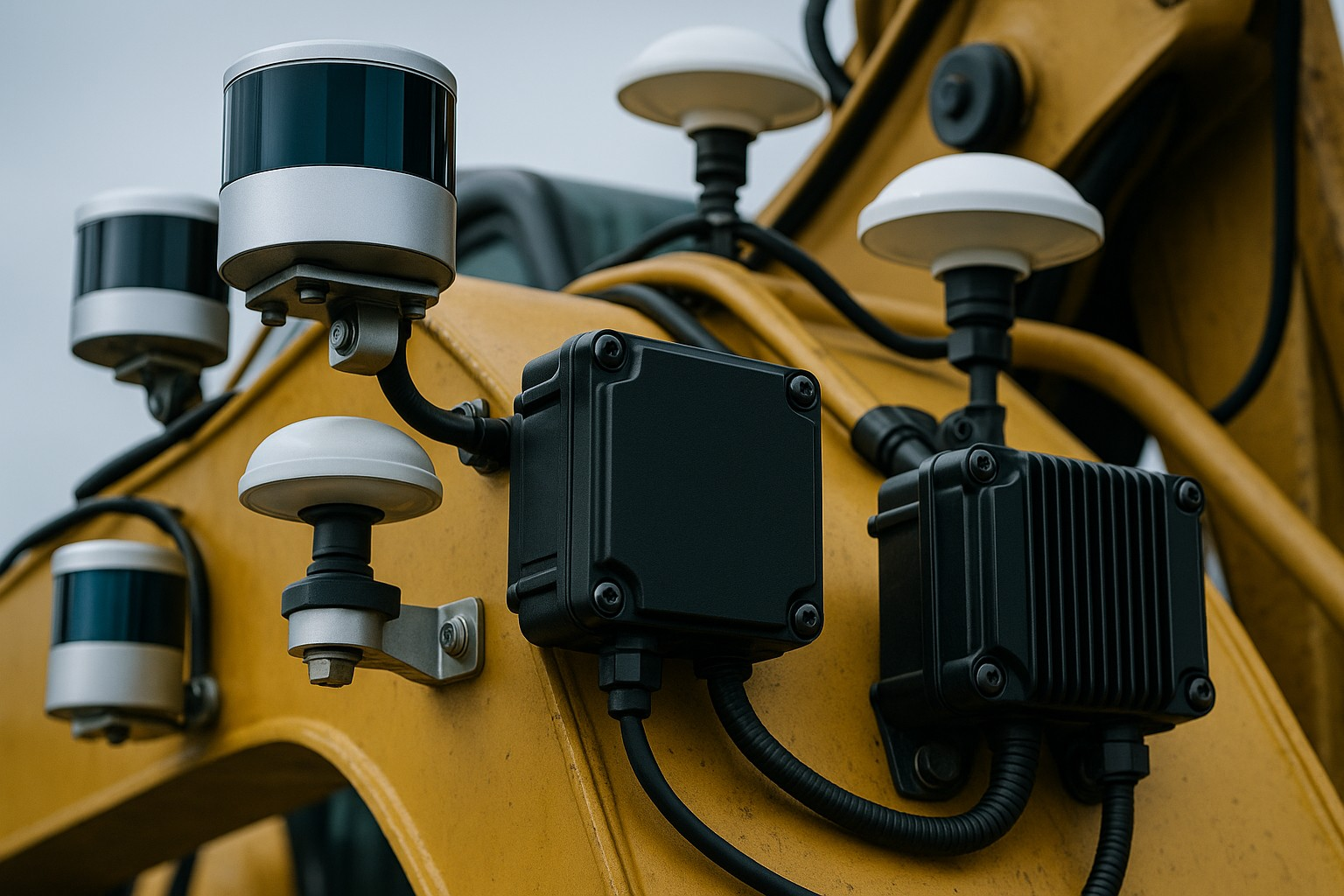
Installation takes a few hours and requires no permanent modifications. Lidar, GPS, and motion sensors get added, and the whole stack plugs into whatever machine a contractor already owns. No new equipment purchase needed. You upgrade the excavator already sitting in your yard.
From there, the machine finds its position on the job site and gets to work without any onboard operator. Output on active sites is reportedly already approaching human-level productivity.
Normally that claim comes with an asterisk. Here it might not. Backers include NVIDIA’s venture arm and CapitalG, Alphabet’s growth equity fund, alongside MIT. People who write checks at this scale typically see a machine work before they do.
Worth taking seriously: the Waymo connection. Engineers who built a system capable of handling city traffic at speed, processing cyclists and pedestrians and unexpected construction in real time, applied that same thinking to a 45-ton machine on a dirt lot. A job site is actually a simpler environment than a city street. More predictable terrain. Fewer unexpected variables. Nobody cutting across an intersection at the wrong moment.
The part that actually matters
Construction labor is running out.
Somewhere between 500,000 and 700,000 workers short, depending on which estimate you trust, and that gap has been widening for decades. Running heavy equipment is a skilled trade. Moving it offshore isn’t an option. Crowdsourcing it doesn’t work either.
Bedrock is solving exactly that.
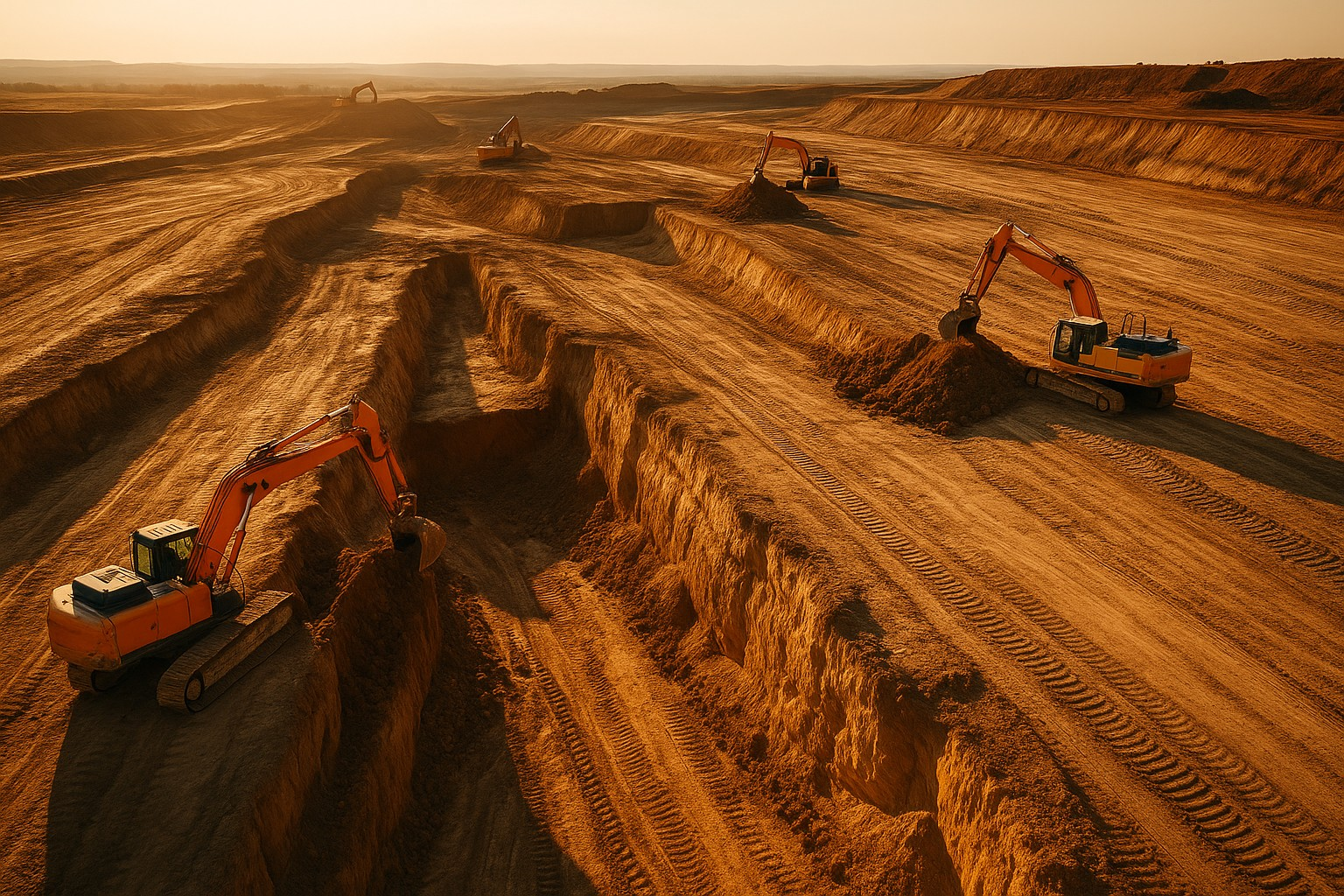
Autonomous excavators don’t replace the whole crew. They handle a specific piece: the machine that moves a lot of dirt before anything else can happen. Site prep and foundation cuts have to occur before a single frame goes up. Automate that portion, and skilled operators shift to work that actually requires human judgment. Project timelines compress. Bottlenecks move.
Will this eventually put some operators out of work? Probably, over time. Right now, though, the industry is turning down projects because it can’t staff them. Machines like this don’t mean unemployment in the current moment. They mean more buildings actually getting built.
Longer term is more complicated and worth watching. We’re not there yet.
The downstream effect
Even if you’re not in construction, this affects you.
Housing costs and infrastructure backlogs are downstream of labor availability and project speed. Technology that compresses build times has real effects on the price of what gets built.
Bedrock’s deployment is still early: three sites, two years into existence. But the direction is clear. Autonomous heavy equipment has moved from “maybe someday” to “currently digging a water treatment plant in Nevada.”
Pay attention to this one. Not because robots are coming for your job today, but because the way we build things is changing faster than most people notice. Usually the first sign is when a project finishes ahead of schedule or a cost estimate comes in lower than expected, and nobody can explain why.
That excavator in Texas doesn’t care about overtime. It doesn’t call in sick. Already running near human-level productivity on a real job site.
This is happening now.
Chris Meredith writes about AI, technology, and what it actually means for real people. Follow along on Substack: monkeyattack.substack.com