I trust ChatGPT more than most people I’ve met. That’s not a hot take. It’s a calibrated risk assessment.
Say it to someone at a dinner party and watch their face. They’ll assume you’ve lost the plot, or that you’re doing the “provocative tech bro” bit. Neither. I’m applying the same logic I’d apply to any risk comparison: who actually causes harm, at what rate, and with what intent?
The answer isn’t AI. Not even close.
The baseline humans aren’t clearing
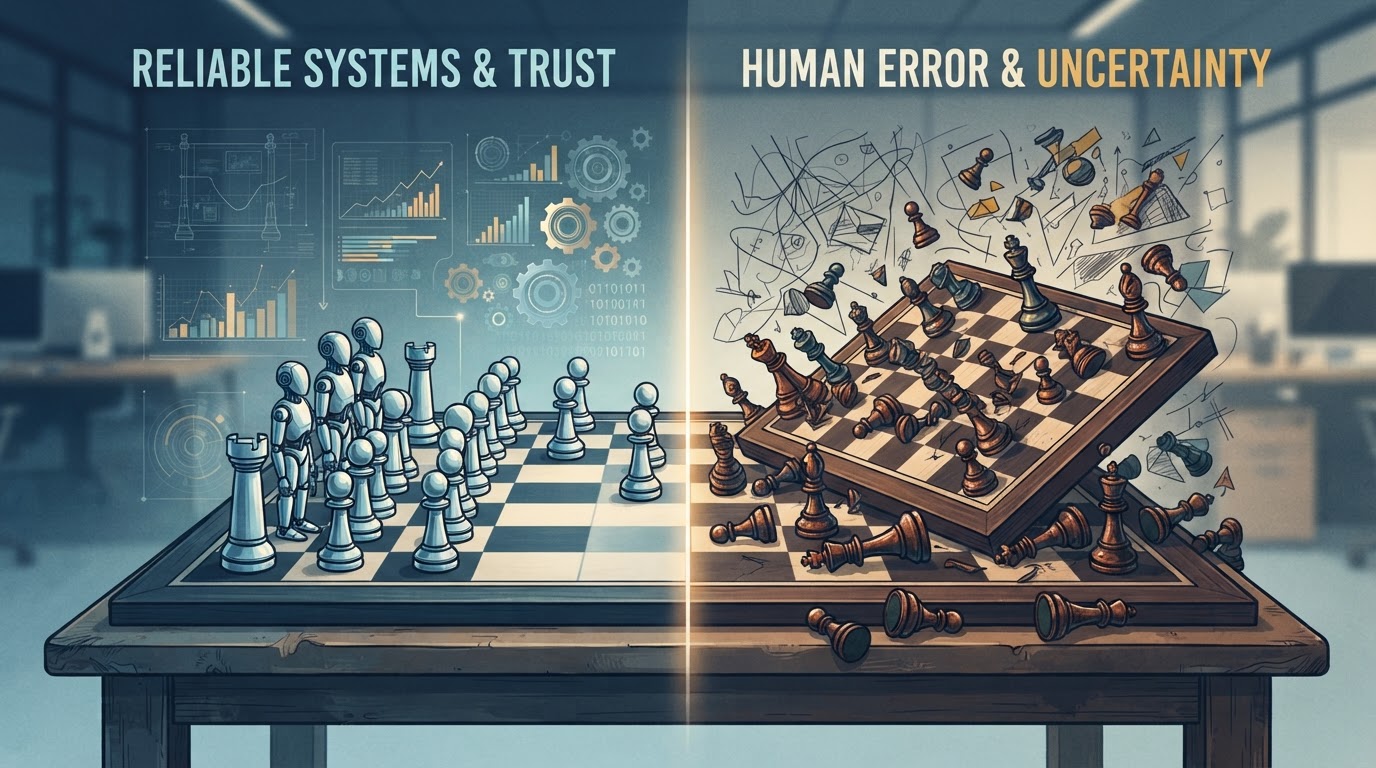
Social engineering accounts for more than 80% of data breaches. Insider threats (employees, contractors, people with badge access and bad weeks) cost organizations $15 billion annually (FBI estimates). The person most likely to compromise your information isn’t a rogue model. It’s someone who’s been CC’d on your emails for 3 years.
Humans lie. Not occasionally, habitually, and often unconsciously. They shade the truth to protect their reputation. They share information selectively to win an argument. They act on resentment. They have bills due and bosses they hate and long memories for slights you’ve forgotten. Every one of those things creates risk vectors that a language model simply doesn’t have.
I’m not saying AI has no risk. I’m saying humans are already the threat model most people refuse to run.
What "killer AI" actually is
The killer AI fear isn’t really about AI. It’s projection.
When people imagine an AI going rogue, they’re imagining it doing human things: accumulating power, acting on resentment, deciding it deserves better. Protecting itself at the expense of others. Those are human behaviors. We’re terrified of what would happen if something with more capability than us also had our worst impulses.
That’s not how current AI works. The models I use daily don’t remember last week. They don’t hold grudges. They can’t network against you. Every session starts fresh. The very architecture that makes them limited is the same one that makes them predictable. Dumb, in some important ways, is safe.
Where the real risk lives
None of this is an argument that AI is harmless. It isn’t. The risk is real. It lives in the humans directing it. A bad actor with AI is more dangerous than a bad actor without it. A negligent deployment causes real harm. An AI trained on biased data reflects and amplifies that bias. These are serious problems.
But they’re human problems. The tool doesn’t choose its operator. The killer isn’t the gun; it’s the person who decided to pick it up and point it at someone.
The AI threat worth tracking isn’t autonomous AI turning on humanity. It’s humans using AI to turn on each other, faster, at scale, with plausible deniability. We already know humans do that. We have centuries of evidence.
What this means practically
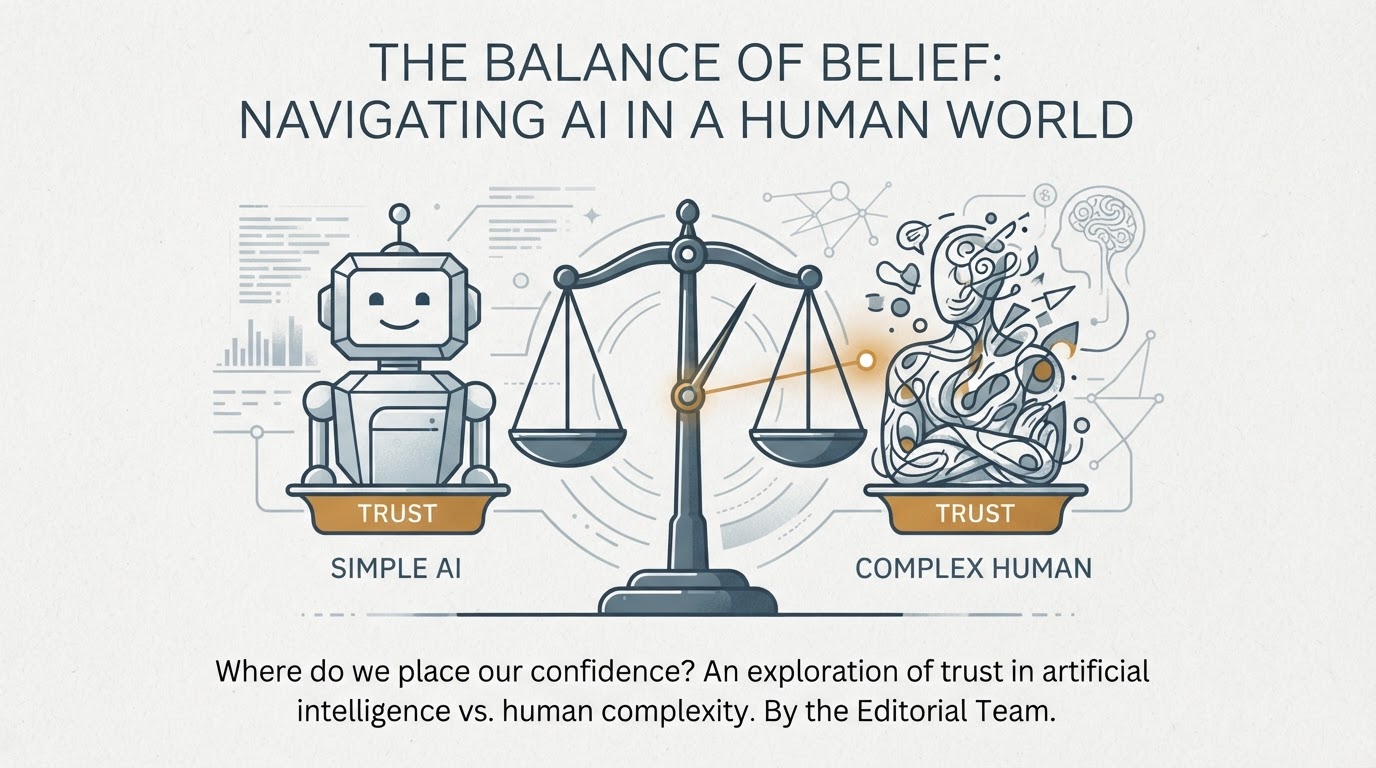
Trust AI outputs the way you’d trust a very fast, confident intern who sometimes hallucinates: verify the important stuff, spot-check the rest, don’t give it access to things you wouldn’t give a stranger.
Trust people the same way: verify the important stuff, spot-check the rest, don’t give them access to things you wouldn’t want used against you.
Same framework. Different error rates.
The killer AI you’re afraid of doesn’t exist yet. The humans who’ll misuse it are already in your Slack.
Adjust your priors accordingly.
Tell me I’m wrong.
Chris Meredith writes about AI, technology, and what it actually means for real people. Follow along on Substack: monkeyattack.substack.com