Numerous viral posts on Instagram, TikTok and X name Reverse Engineer Anything (REA) in the middle of the wave of game mods and app clones. Projects that came up in that wave include a Mario mod, a Halo project and an Adobe clone. SMC64 drops Super Mario 64’s Mario into Halo CE. Project Reclaimer is a Halo 3 PC project. PhotoCraft is a Rust rebuild of Photoshop that its authors say was made clean-room, from public specs. None of the readable sources credits REA for any of them.
The gap between what viral posts describe and what builders actually shipped is the story of agentic reverse engineering right now. AI agents are doing real reverse engineering work in public, and a tool called REA keeps getting named in the conversation. But none of the sources we found shows REA building the clones named in coverage, and the demos with sources behind them show something narrower and more interesting than the hype suggests.
What REA Actually Is
REA stands for Reverse Engineer Anything. It’s an open source MCP server that connects a coding agent to professional reverse engineering tools like Ghidra, Hopper and IDA. Nick Saraev, whose REA video was published October 10 and has 1.07M views, puts it plainly: “nothing is super new or special. All REA does is it just basically gives your AI agent access to these tools in a really simple interface”. It isn’t a decompiler. It’s a bridge. The underlying tools predate it. Saraev says Ghidra came out of the NSA and, going from memory, puts Hopper at 2011 and IDA in the ’90s.
Installation is one command from the official repo: npx rea-agents setup. Get it only from morluto/rea, rea.tools or npm. REA’s own disclaimer states it “does not support, and will not help with: circumventing DRM, license checks, anti-cheat systems or other technical protection measures” and won’t help with “copying proprietary software or reproducing its protected code and assets”.
On October 15 at 05:55 UTC the GitHub API reported 249,716 stars for morluto/rea. Growth has been unusually fast, and Hacker News commenters have flagged suspicious patterns: user cedws wrote “Reeks of botting” and _blob replied “Very likely.” That’s suspicion, not proof. The repo lists 36 releases.

What Agentic Reverse Engineering Looks Like in the Wild
Other viral posts sit in the same conversation. @theericmichaud’s Instagram reel says REA shows you how a feature is built “so you can build your own”. @RoundtableSpace posted “Closed source is dead”, and @0xCodila claimed you can “rebuild any feature you pay for, for FREE”. The @sebsinsf TikTok says it “started with the video games” and that “now it’s literally anything”. Better Stack opened its REA video with “Photoshop and most of the Adobe suite went open source this week, but not from Adobe.” Mark Kashef’s video says open-source versions of Photoshop, Premiere Pro and Microsoft Word appeared in one week, and that another app seems to be getting reverse engineered with REA every time he opens X. Those are the posts and videos; the projects below are the evidence.
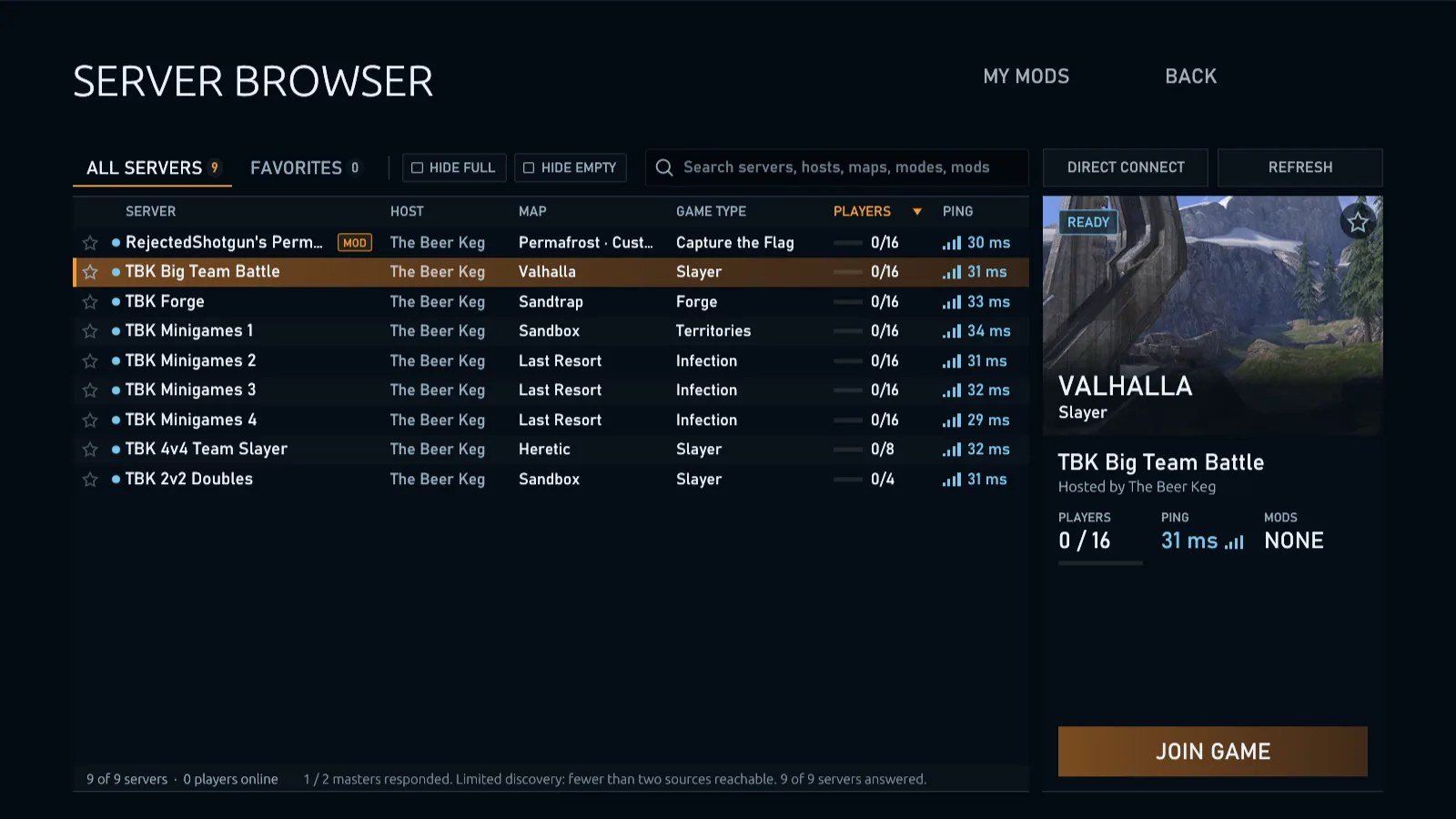
Here are the game ports and AI-assisted projects we could check. None of them cite REA. They do show what AI-assisted reverse engineering looks like when someone actually ships code.
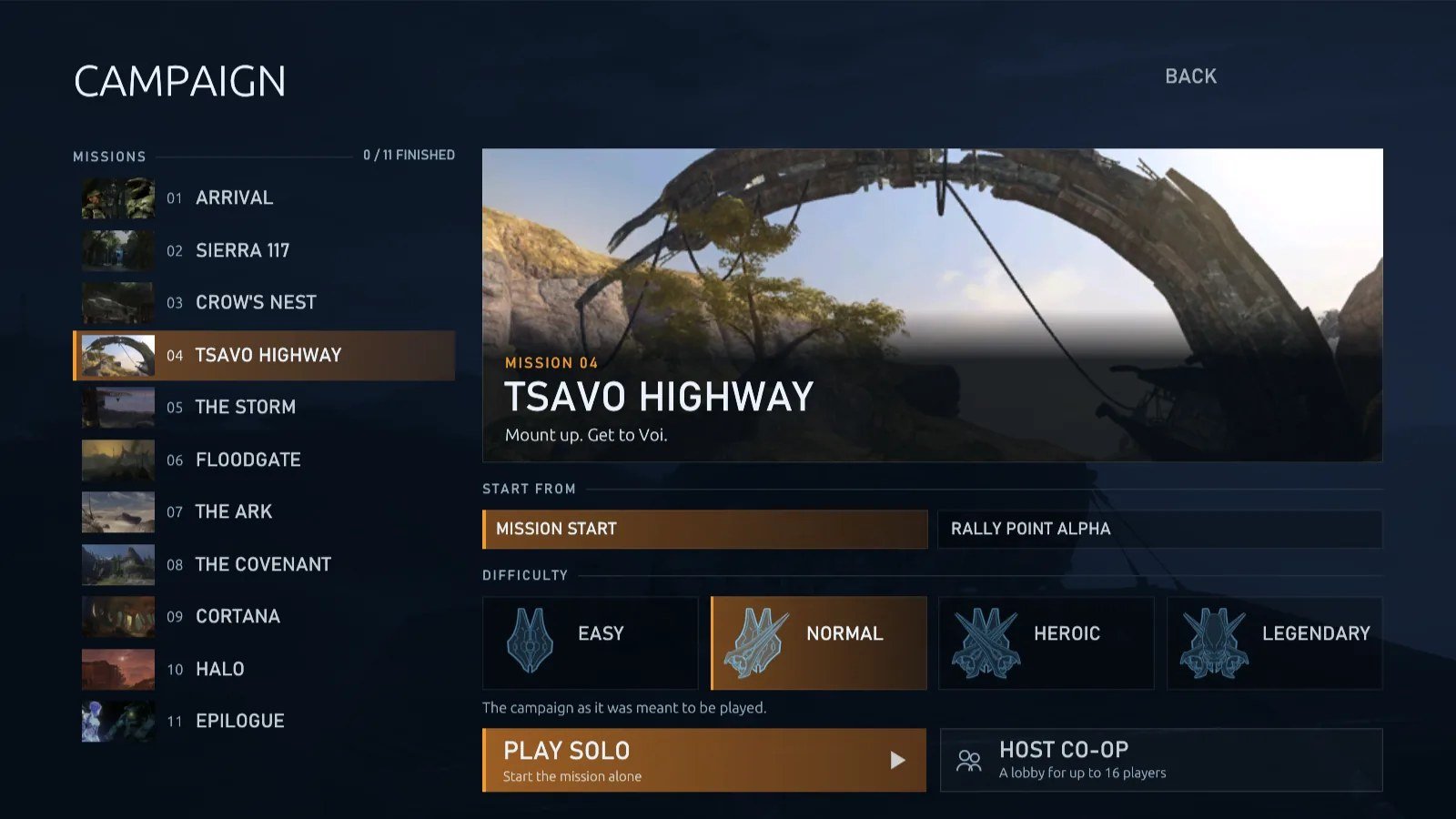
SMC64 is a LibSM64 mod for Halo CE on the Master Chief Collection. LibSM64 describes itself as “Super Mario 64 as a library” so that “Mario can be dropped in to existing game engines”. Its README carries an AI disclosure: “Most of the reverse engineering for this project was done by humans, but I have made moderate use of agents for static analysis via Ghidra MCP”. That’s Ghidra MCP, a separate project by LaurieWired, not REA. Of the readable primary sources we opened, it’s the only one where an author names an AI reverse engineering tool.
gta-vice-city-wasm runs in the browser on a WebAssembly engine port derived from the re3/reVC reverse engineering project. Its README says nothing about AI, but the commits do. Of the 100 we checked through the GitHub API, 53 carry Co-Authored-By trailers for Claude models (Sonnet 4.6: 11, Sonnet 5.5: 33, Opus 5.5: 9). Neither the README nor the commits mention REA.
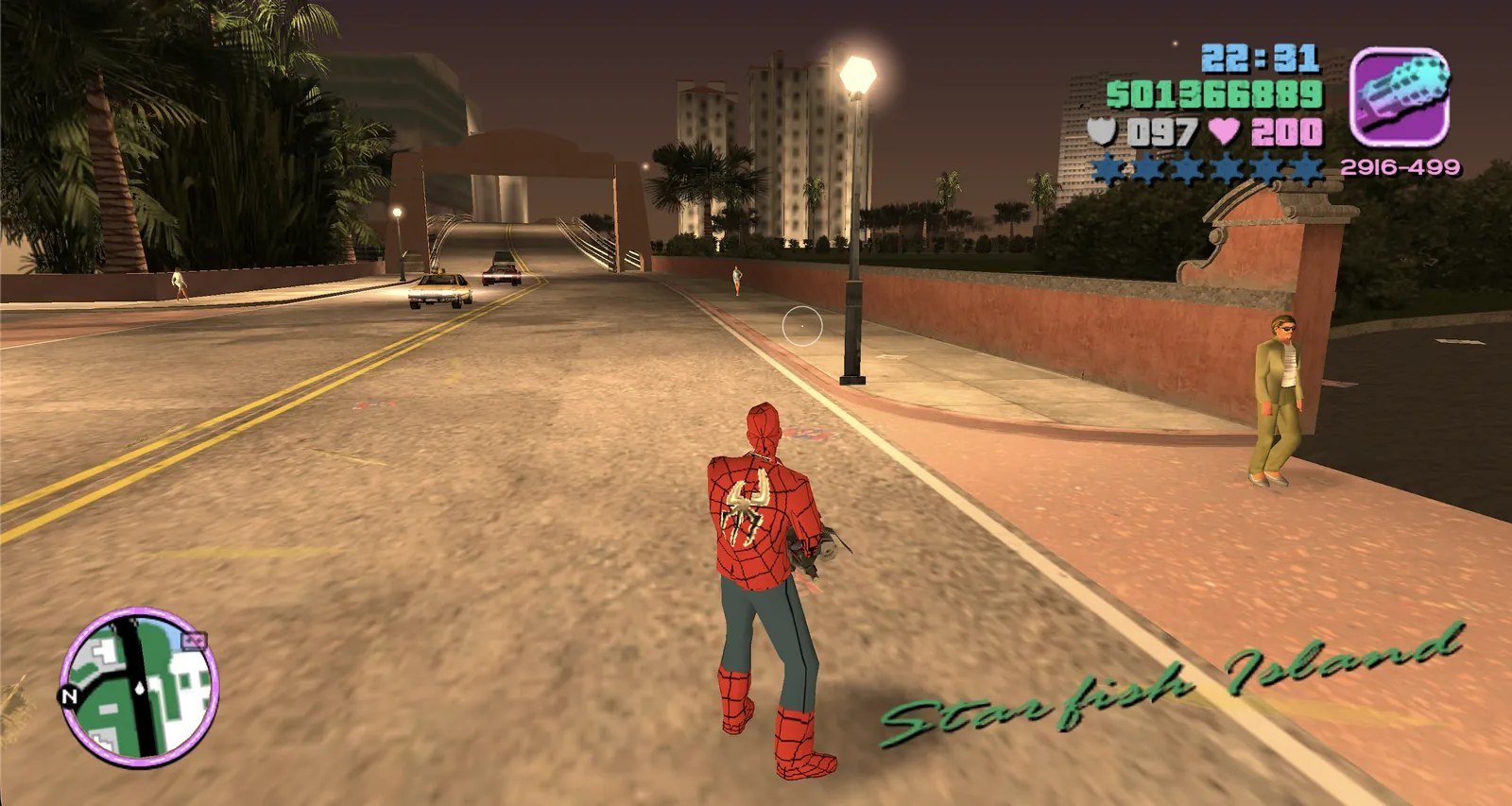
Kotaku reported on October 9 that “hundreds of vibe-coded, AI-decompiled emulators and games have appeared out of thin air” and credited Claude Opus 5.5 with making “AI-decompiled web browser ports of Call of Duty: Black Ops, Halo: CE, Grand Theft Auto: Vice City, Skate 3, and The Simpsons: Hit and Run” that “actually seem to run very well”. We found no repos for the Black Ops, Halo CE, Skate 3 or Simpsons ports. The report doesn’t name REA.
On Hacker News, user techjamie wrote on October 10: “I had Claude reverse engineer 3D Space Cadet from WinXP just by letting it know it has access to ghidra and radare2 and asked it to faithfully port it over to Rust+Bevy. 2 hours of it working later and the game was playable”. The claim is self-reported, in a comment, and REA plays no part in it. In the same thread, user cfeduke answered a question about where to start with AI reverse engineering of an old game by naming REA as “a good place to start,” with no details and no mention of Halo, Simpsons or GTA ports.
Better Stack’s Space Cadet Pinball port is a well-documented example that doesn’t involve REA. He worked with Opus 5.5 alone, saying “I didn’t want to install all of the tools and MCP servers that this one needed”. The port came to 31,000 lines of Rust with 74 tests and took 2 hours 25 minutes. As for the cost, he puts it at “roughly $140 at API prices, but I used my subscription and it barely made a dent in my usage”. REA wasn’t used; the work was driven from the binary.
The @peter.zezas reel also describes surveillance tech used by police that “anyone, can download this and surveil smart glasses, police body cameras, phones”. RFSentinel is the closest match we found, though the reel doesn’t name it. It’s a receive-only detector app for Android that reads Bluetooth LE and WiFi broadcasts from police body cams, ALPR cameras, AirTag trackers and similar devices. Its README says it “Never transmits to, connects to or jams anything”. Eight of 119 commits carry Co-Authored-By: Claude Opus 5.5 trailers. Its README doesn’t describe reverse engineering.
The @peter.zezas reel mentions a Halo 3 mod with 180 players but doesn’t name it. Project Reclaimer, a Halo 3 PC project, advertises 128-player games on its homepage. It’s written in Rust by volunteers, credits ElDewrito as a reference, and has no AI or REA statement on its site. The project doesn’t state its build method on its site; GameFragger says Halo 3’s code has been decompiled.
What REA’s Own Showcases and Creators Show
REA’s team publishes case studies on rea.tools. DX-Ball is a reconstruction of the 1996 Windows game from its executable, described as “55 maintained C functions” with “33 functions with matching compiled bytes” and a note that “Work on the playable game continues”. That is the case study’s October 7 checkpoint. The project repo’s own progress chart, last updated October 16, now reads “475 source-present functions, 380 exact functions, out of 545 provisional candidates,” so the numbers are moving fast. TH04, a Touhou 4 bullet-pattern reconstruction, cites “2,139 matching bytes” in its bullet-generation work. A Notion desktop clipboard trace follows a clipboard call through Electron’s internals but doesn’t recreate Notion. Tax Reborn, discussed in a GitHub community post by lxistired, uses REA on TurboTax 2025 desktop binaries and carries the author’s caveat: “Complete TurboTax parity … remain open”. None of these is a finished commercial clone.
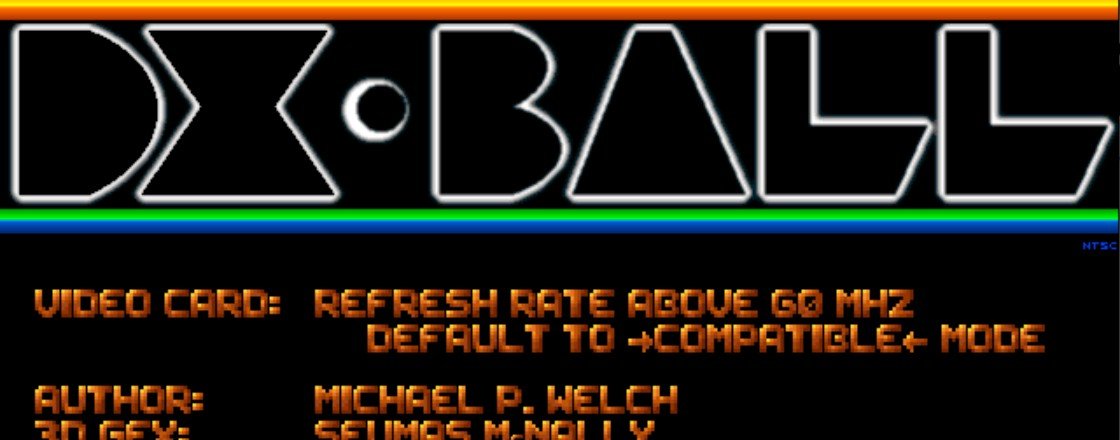

N0zoM1z0 maintains separate repos for DX-Ball and TH04 and also contributes to REA’s website; these aren’t independent third-party validations. Tax Reborn is a community “Show and tell” post in GitHub discussion 3110, not a showcase entry.
Coding Crash Courses ran one independent test of REA (independent of the REA team) against Command & Conquer: Red Alert. Because EA released the original game logic under GPL in 2020, he could let the agent analyze the shipped DLL blind and then check every claim against the real source. His description says “7 of 8 claims were exactly right”. The transcript puts it as: “The agent made eight claims. Seven were exactly right. One was partly right”. The one miss involved a rare multiplayer message the agent misidentified because a misleading text key pointed the wrong way. This is binary analysis with evidence, not a clone.
Creator demos are self-reported and partial. Eric Tech’s video, published October 10, shows REA used to clone Wispr Flow features including a hotkey, note taker and local transcription, not the whole app. Juan Pe Navarro says he asked REA to replicate OBS and that “not even 2 minutes have passed since I told it ‘recreate OBS’ until it made this first MVP for me”. Nate Herk rebuilt a Loom-inspired screen recorder and says “we didn’t clone Loom … We cloned the functionality”. Mark Kashef rebuilt QuickTime Player as “Tempo” using an uncensored model, REA and Ghidra.
Nick Saraev ran REA head to head with plain Claude Opus, both rebuilding Mac Preview. The Opus run without REA finished first. He says he hasn’t seen very good demos and that “the internet has probably gotten a little bit ahead of itself”. Others claim REA built Photoshop suites and Apple TV remotes. Saraev cites those as hearsay and doesn’t show any of them.
Two Kinds of Reverse Engineering
The non-REA reverse engineering examples below fall into two categories. None credits REA.
Clean-room design, as Wikipedia describes it, typically involves one person examining a system and writing a specification while “a team with no connection to the original examiners” implements it. PhotoCraft (storytold/photocraft) by the ArtCraft team is one example. The authors call it “an open-source, clean-room reimplementation of Adobe Photoshop, rebuilt in pure Rust” with PSD support “written from Adobe’s public specification”. Their docs say they inspected the installed Photoshop bundle’s metadata without launching it. On Hacker News, developer echelon wrote “No, we explicitly do not use reverse engineering. We do not decompile binaries, we do everything 100% clean room”. ROADMAP.md says a “Ready for real work” estimate of about 45% and estimates roughly 2,300 to 4,100 Opus 5.5 agent-hours remaining to reach full parity. Better Stack’s video repeats the authors’ clean-room description, but that’s repetition, not independent verification. The “clean-room” label is the authors’ own unaudited characterization.
Reverse engineering and binary decompilation is the other category. The re3 and reVC projects reverse engineered GTA III and Vice City. re3’s README, as archived in February 2021, said the aim was to reverse GTA III by replacing parts of the game one by one. A fork owner who filed a counter-notice told TorrentFreak that “It would appear that the code in the re3 repo is reverse engineered, not a straight decompilation”. Take-Two issued a DMCA notice on February 19, 2021 naming more than 200 repository links. GitHub restored a fork after a counter-notice in May 2021, then removed the repos again after a second notice dated September 9, 2021 (reported October 4). Take-Two sued four named defendants plus Does in September 2021, and dismissed claims against those four “with prejudice” in April 2023. Settlement terms and current code availability aren’t verified here. That’s procedural history, not a verdict.
KisakCOD is an open source reimplementation of Call of Duty 4. Its author’s blog says “We decompiled COD4” and that it started when someone gave the author a v1.0 PC PDB file. No DMCA notice naming it was found in github/dmca as of October 14, 2026, though absence of a search result isn’t proof of safety. Space Cadet Pinball was decompiled by Andrey Muzychenko using Ghidra and IDA, with all subs converted from C pseudo code to compilable C++. These projects predate REA and don’t cite it.

The Legal Line
This isn’t legal advice. It’s a map of the relevant statutes and precedents as cited in the sources.
17 U.S.C. 1201(f) allows someone who has lawfully obtained a program to circumvent access controls “for the sole purpose of identifying and analyzing those elements of the program that are necessary to achieve interoperability”, provided the acts don’t constitute infringement. Separately, the Copyright Office exemption rule at 37 CFR 201.40 states that eligibility “is not a safe harbor from, or defense to, liability under other applicable laws”.
An Adobe Acrobat Reader license hosted by Red Hat says you may not “reverse engineer, decompile, disassemble or otherwise attempt to discover the source code of the Software except to the extent you may be expressly permitted to decompile under applicable law” and adds further conditions. That’s one EULA example, not a universal rule. EFF summaries of Sega v. Accolade and Sony v. Connectix note fair-use findings for intermediate copying, but also note those cases involved no license agreements.
No DMCA notice, cease-and-desist or EULA action against REA itself was found in the sources searched, though absence of evidence isn’t evidence of absence.
Back to REA
The @peter.zezas reel says people use REA to merge games and control appliances. Berman says software is done, @RoundtableSpace says closed source is dead, and @0xCodila says you can “rebuild any feature you pay for”. The projects with verifiable sources tell a different story. SMC64 uses Ghidra MCP, not REA. gta-vice-city-wasm runs on re3/reVC with Claude co-author trailers and no REA mention. Better Stack’s Space Cadet port used Opus alone. PhotoCraft’s team calls it clean-room and says it doesn’t use reverse engineering. The re3/reVC reverse engineering and the KisakCOD and Space Cadet Pinball decompilations predate REA entirely.
REA is real. It’s a connector that gives agents access to tools that already existed, and its own showcases demonstrate partial reconstructions with matching bytes and honest caveats. Coding Crash Courses’ Red Alert test shows an agent making seven correct claims out of eight against verified source code, with the one miss revealing exactly where meaning breaks down. That’s the actual state of agentic reverse engineering: impressive within bounds, incomplete by nature, and nowhere near what some viral posts claim, like “rebuild any feature you pay for, for FREE”.
The framing device took over the story because it’s easy to name, and the work isn’t. Agents read binaries, recover the logic, and rebuild features while leaving evidence trails behind. The tools predate the hype. The legal boundaries are real, and they’re separate questions. And the game-port projects with readable sources don’t credit REA, even though the viral posts tie REA’s name to the moment.
Update, Oct 16, 2026: Reports dated Oct 15 say the maintainer of decomp.dev, a progress tracker for game decompilation projects, is “sunsetting” the site. Its main index and new-project submissions are disabled, while existing project pages stay up. The maintainer, who goes by Encounter, writes that AI “can expedite the decompilation process in a significant way,” but that “the community aspect of decompilation has been broken” by hostile forks that “finish” projects with AI and by quick PC ports built from other people’s decompilations. The announcement names GPT-6-Astra, Opus 4.6 and GPT-5.4. It does not mention REA or any MCP connector. That fits the split drawn above between decompilation and ports.
Sources
- REA GitHub repository: https://github.com/morluto/rea
- REA showcase, DX-Ball: https://rea.tools/showcase/dx-ball/
- REA showcase, TH04: https://rea.tools/showcase/th04/
- REA showcase, Notion clipboard trace: https://rea.tools/showcase/notion/
- Tax Reborn discussion: https://github.com/morluto/rea/discussions/3110
- Tax Reborn repo: https://github.com/lxistired/tax-reborn
- N0zoM1z0 DX-Ball repo: https://github.com/N0zoM1z0/dx-ball
- N0zoM1z0 TH04 repo: https://github.com/N0zoM1z0/th04
- Coding Crash Courses, Red Alert test: https://www.youtube.com/watch?v=EPHVoBA7JoM
- Nick Saraev, REA test: https://www.youtube.com/watch?v=dAzs_rU6080
- Better Stack, Space Cadet port: https://www.youtube.com/watch?v=jtfpCGsbSJU
- Eric Tech, Wispr Flow clone: https://www.youtube.com/watch?v=FnB9tHKBJXQ
- Juan Pe Navarro, OBS replication: https://www.youtube.com/watch?v=4YkdCVzHpbc
- Nate Herk, Loom-inspired recorder: https://www.youtube.com/watch?v=rL5tw6h78zo
- Mark Kashef, Tempo (QuickTime rebuild): https://www.youtube.com/watch?v=ScSDVV5xhww
- SMC64 repo: https://github.com/KodyJKing/smc64
- gta-vice-city-wasm repo: https://github.com/joncodeofficial/gta-vice-city-wasm
- RFSentinel repo: https://github.com/CIS-C0/RFSentinel
- Project Reclaimer: https://projectreclaimer.dev
- PhotoCraft repo: https://github.com/storytold/photocraft
- Kotaku, Lewis Parker, 2026-10-09: https://kotaku.com/we-might-be-cooked-as-these-vibe-coded-web-browser-ports-of-halo-the-simpsons-hit-and-run-and-gta-vice-city-seem-to-work-perfectly-2000743300
- @RoundtableSpace post, 2026-10-11: https://x.com/RoundtableSpace/status/2109165852578992582
- @0xCodila post, 2026-10-12: https://x.com/0xCodila/status/2109623431763292649
- Instagram reel @peter.zezas, 2026-10-14: https://www.instagram.com/reel/Deex2W8J1CN/ (transcript captured via Supadata on 2026-10-15)
- HN thread 50035561: https://news.ycombinator.com/item?id=50035561
- HN thread on REA stars and botting comments: https://news.ycombinator.com/item?id=50028275
- GameFragger on Project Reclaimer, 2026-10-05: https://gamefragger.com/multiplatform/first-person-shooter/halo/halo-3-project-reclaimer-lets-you-have-64-player-multiplayer-lobbies-and-16-player-co-op-for-the-campaign-a29844
- GitHub API figures for morluto/rea (249,716 stars, 36 releases) captured 2026-10-15 05:55 UTC
- HN comment by echelon: https://news.ycombinator.com/item?id=50029110
- REA DISCLAIMER.md: https://raw.githubusercontent.com/morluto/rea/main/DISCLAIMER.md
- 17 U.S.C. 1201: https://www.law.cornell.edu/uscode/text/17/1201
- 37 CFR 201.40: https://www.law.cornell.edu/cfr/text/37/201.40
- Adobe Acrobat Reader license (Red Hat): https://www.redhat.com/en/about/eula/adobe-sla
- Take-Two DMCA notice, 2021-02-19: https://github.com/github/dmca/blob/master/2021/02/2021-02-19-take-two.md
- TorrentFreak, GitHub restores re3, 2021-05-07: https://torrentfreak.com/github-restores-reverse-engineered-gta-code-following-dmca-counter-notice-210507/
- TorrentFreak, Take-Two sues, 2021-09-03: https://torrentfreak.com/take-two-sues-enthusiasts-behind-gta-fan-projects-re3-revc-210903/
- TorrentFreak, repos removed again, 2021-10-04: https://torrentfreak.com/github-removes-gta-fan-projects-re3-revc-following-new-take-two-dmca-notice-211004/
- TorrentFreak, Take-Two dismisses, 2023-04-05: https://torrentfreak.com/take-two-dismisses-claims-against-lead-defendants-in-gta-mods-lawsuit-230405/
- re3 README, archived 2021-02-03: http://web.archive.org/web/20210203153409/https://github.com/GTAmodding/re3
- KisakCOD repo: https://github.com/SwagSoftware/KisakCOD
- Space Cadet Pinball repo: https://github.com/k4zmu2a/SpaceCadetPinball
- EFF reverse engineering FAQ: https://www.eff.org/issues/coders/reverse-engineering-faq
- Wikipedia, Clean-room design: https://en.wikipedia.org/wiki/Clean-room_design
- Ghidra MCP: https://github.com/LaurieWired/GhidraMCP
- decomp.dev, “Sunsetting decomp.dev” (maintainer Encounter, undated page, retrieved 2026-10-16): https://decomp.dev/
- 404 Media, Jason Koebler, 2026-10-15: https://www.404media.co/video-game-reverse-engineering-community-shuts-down-because-ai-has-made-it-too-easy/
- XDA Developers, Simon Batt, 2026-10-15: https://www.xda-developers.com/a-decomp-tool-is-shutting-down-after-a-tidal-wave-of-ai-the-community-aspect-of-decompilation-has-been-broken/
Chris Meredith writes about AI, technology, and what it actually means for real people. Follow along on Substack: monkeyattack.substack.com